Understanding the Stainless Steel Basin Manufacturing Process
The manufacturing process for stainless steel basins involves intricate steps that ensure a blend of durability, functionality, and aesthetic appeal. As consumers become increasingly discerning about the quality and performance of kitchen and bathroom fixtures, understanding how these products are made becomes crucial. In this article, we will explore the entire production process, from raw material selection to the final quality tests that ensure a stainless steel basin meets industry standards. For businesses, knowledge of the manufacturing process can inform purchasing decisions, ultimately leading to better products for consumers.
What is a Stainless Steel Basin?
A stainless steel basin is a versatile and durable product used primarily in kitchens and bathrooms. Known for its resistance to corrosion, heat, and staining, stainless steel is a preferred material for many homeowners and businesses. Basins made from this material can vary in design, including undermount, drop-in, or apron-front styles, and are sought after for their modern appeal and functionality.
Key Components of Basin Production
The production of stainless steel basins typically involves several key components:
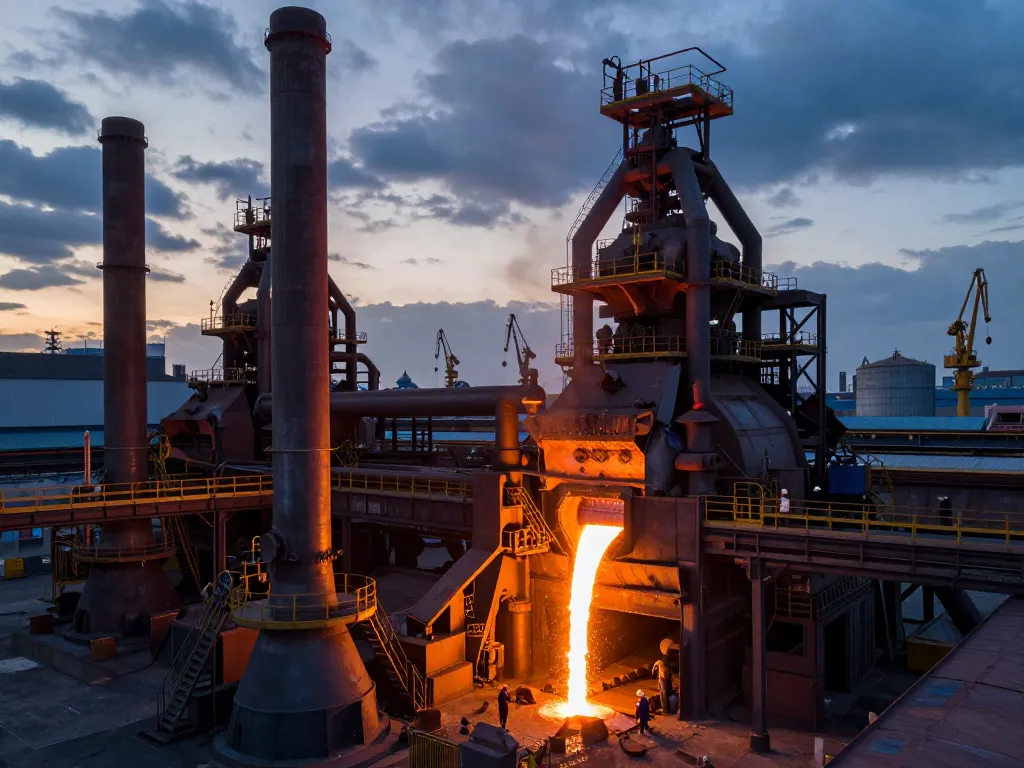
- Raw Material Selection: The quality of stainless steel used is vital. Most basins are made from a specific mix of stainless steel grades such as 304 or 316, known for their high corrosion resistance.
- Cutting and Shaping: Large sheets of stainless steel are cut into the desired shape and size using precision technologies like laser cutting. This step is crucial to achieve the exact dimensions needed for the basin.
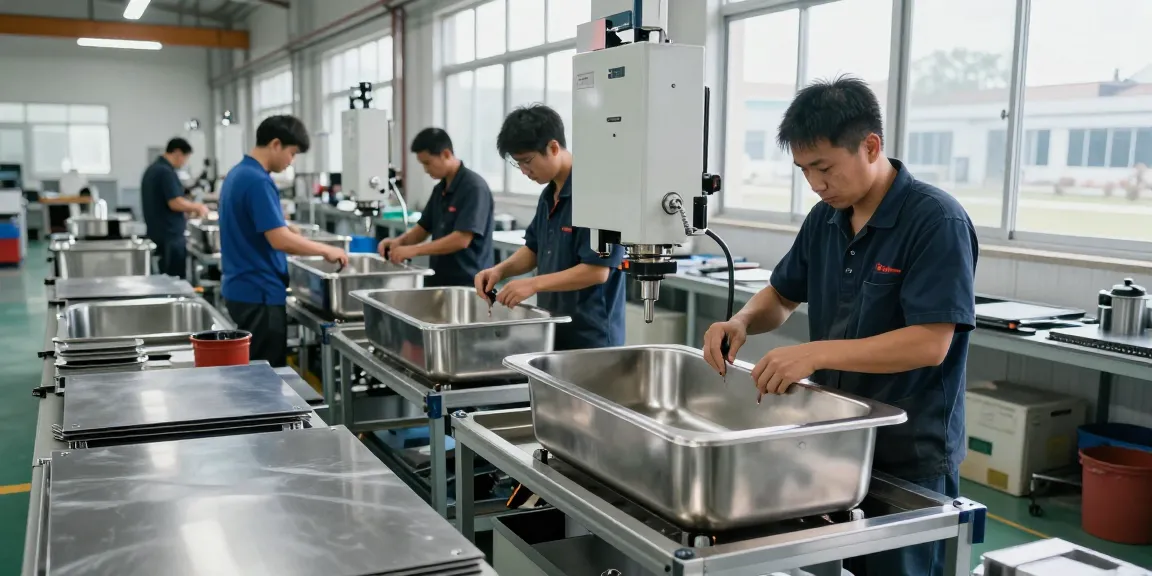
- Welding and Forming: The cut pieces are then welded together using techniques like TIG (Tungsten Inert Gas) welding, ensuring a strong bond that is also visually appealing. This process can include forming the basin’s bowl and bottom as well.
- Finishing Processes: After forming, the basin undergoes several finishing processes, including polishing, bead blasting, or satin finishing, which enhance its aesthetic qualities.
- Quality Control Checks: Before packaging, each basin is subjected to rigorous quality control checks to ensure it meets industry standards and customer expectations.
Technological Advances in Manufacturing
Recent advancements in manufacturing technology have revolutionized the production of stainless steel basins. Automation and robotics are increasingly integrated into the manufacturing process, enhancing precision and efficiency. For example, automated welding and cutting machines can produce basins with minimal human intervention, reducing production time and labor costs while increasing output quality. Manufacturers are also utilizing computer-aided design (CAD) to innovate designs and streamline the production process.
Choosing the Right Stainless Steel for Your Basin
The choice of stainless steel is crucial in ensuring the durability and quality of the basin. Different grades of stainless steel offer varying benefits and performance characteristics. A well-informed selection can elevate the overall quality of the product. When exploring options, stainless steel basin factory can provide comprehensive insights into material selection.
Types of Stainless Steel Used in Basins
Two of the most common types of stainless steel used for basins are:
- 304 Stainless Steel: This is the most widely used type due to its excellent resistance to corrosion and oxidation, making it ideal for kitchen environments.
- 316 Stainless Steel: Although more expensive, 316 stainless steel offers superior corrosion resistance, especially in saline environments, making it suitable for coastal areas.
Impact of Material Quality on Basin Durability
The quality of stainless steel directly impacts the basin’s lifespan and performance. Higher grades tend to withstand physical impacts, resist rust and stains, and maintain their appearance over time. Additionally, basins constructed from thicker gauges of stainless steel are less prone to denting and provide better insulation against temperature changes.
Best Practices for Selecting Materials
When selecting materials, consider the following best practices:
- Evaluate the grade of stainless steel based on the intended use.
- Choose a suitable gauge thickness to withstand daily usage demands.
- Assess coatings or finishes that may enhance durability and aesthetic appeal.
Quality Control in the Stainless Steel Basin Factory
Quality assurance is a critical component of the manufacturing process, ensuring that products meet both safety and performance standards. Factories often implement comprehensive quality control measures to address any potential issues before products reach consumers.
Importance of Quality Assurance
Quality assurance ensures that every basin produced not only meets aesthetic criteria but also complies with functional standards. This protection extends to the end-user, as high-quality basins are less likely to fail over time, reducing warranty claims and enhancing brand reputation.
Common Quality Control Techniques
Common quality control techniques include:
- Visual Inspections: Workers perform inspections to catch any apparent defects in manufacturing.
- Dimensional Checks: Regular measurements ensure consistent sizes and shapes are maintained throughout production.
- Stress Testing: Samples may undergo stress tests to evaluate resistance to impact and pressure.
Case Studies of Successful Quality Management
Some manufacturers implement Six Sigma techniques to minimize defects and improve quality outcomes. For instance, a leading stainless steel basin factory may track defect rates before and after applying new quality control measures, demonstrating a significant reduction in returns and improved customer satisfaction.
Trends Shaping the Future of Basin Manufacturing in 2026
The manufacturing landscape is constantly evolving, and several emerging trends are expected to shape the future of stainless steel basin production.
Emerging Technologies in Production
Advanced technologies such as artificial intelligence (AI) are being explored to predict maintenance needs, reduce downtime, and improve supply chain efficiency. Additionally, 3D printing is being tested for creating prototypes, providing manufacturers with faster development times and reduced material waste.
Shifts in Consumer Preferences
As consumers become more environmentally conscious, there is a growing demand for products made using sustainable practices. This includes sourcing raw materials responsibly and reducing energy consumption during manufacturing.
Sustainability Practices in Manufacturing
Manufacturers are increasingly adopting sustainable practices, such as using recycled materials and minimizing waste. Energy-efficient processes and facilities also contribute to a lower carbon footprint, responding to consumer and regulatory pressures alike.
Frequently Asked Questions About Stainless Steel Basin Manufacturing
What are the advantages of stainless steel basins?
Stainless steel basins offer numerous advantages, including corrosion resistance, easy maintenance, and long-lasting durability. They are also highly versatile and can fit a wide range of kitchen and bathroom designs.
How is the durability of stainless steel basins tested?
Durability testing often includes exposure to extreme temperatures, impact resistance evaluations, and resistance to chemicals commonly found in household cleaning products.
What trends are influencing basin design in 2026?
Future trends may include eco-friendly designs, customizable options for consumers, and features that enhance functionality, such as integrated smart technology.
How does automation impact basin manufacturing?
Automation significantly boosts efficiency by ensuring consistent product quality and reducing labor costs. Moreover, automated processes can handle complex designs that may be challenging for manual production methods.
What are the common misconceptions about stainless steel materials?
Some people mistakenly believe that all stainless steel is created equal. However, variations in grades, thickness, and finishes can dramatically affect performance and suitability for specific applications.