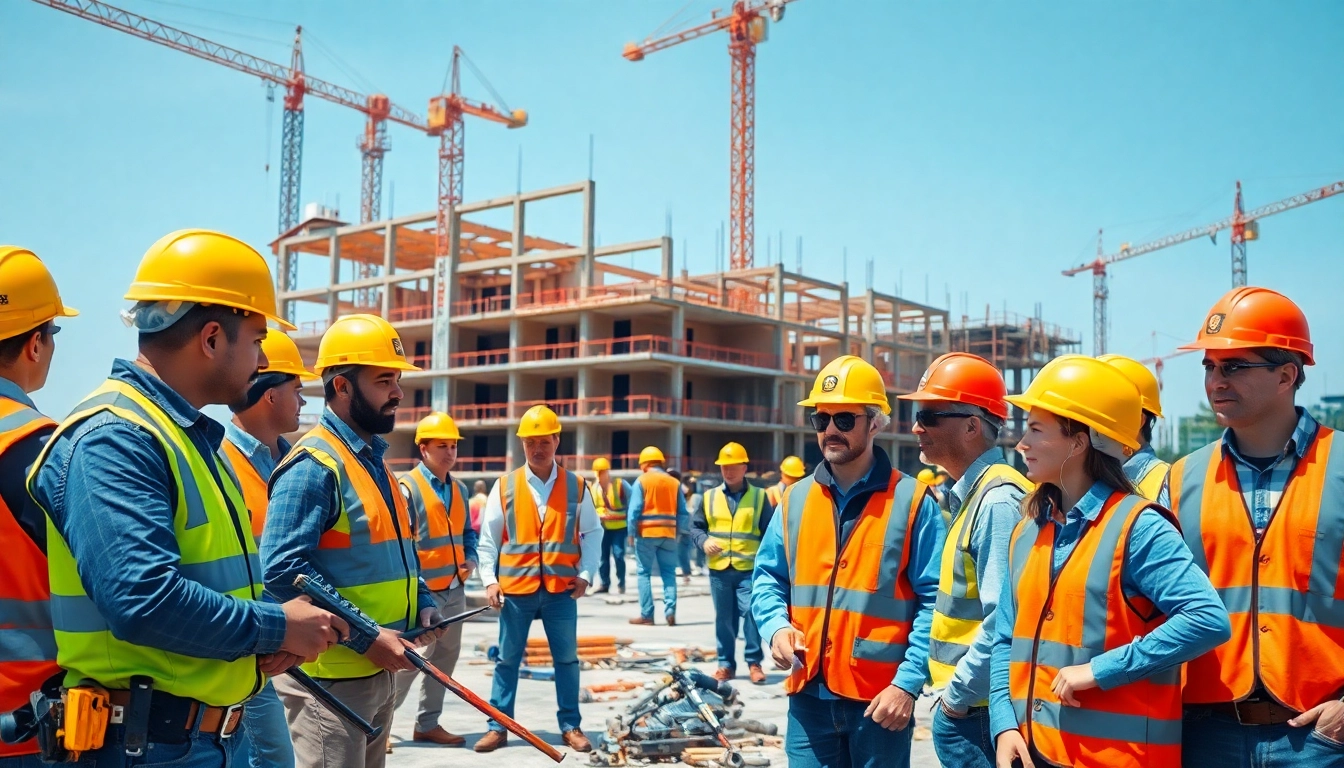
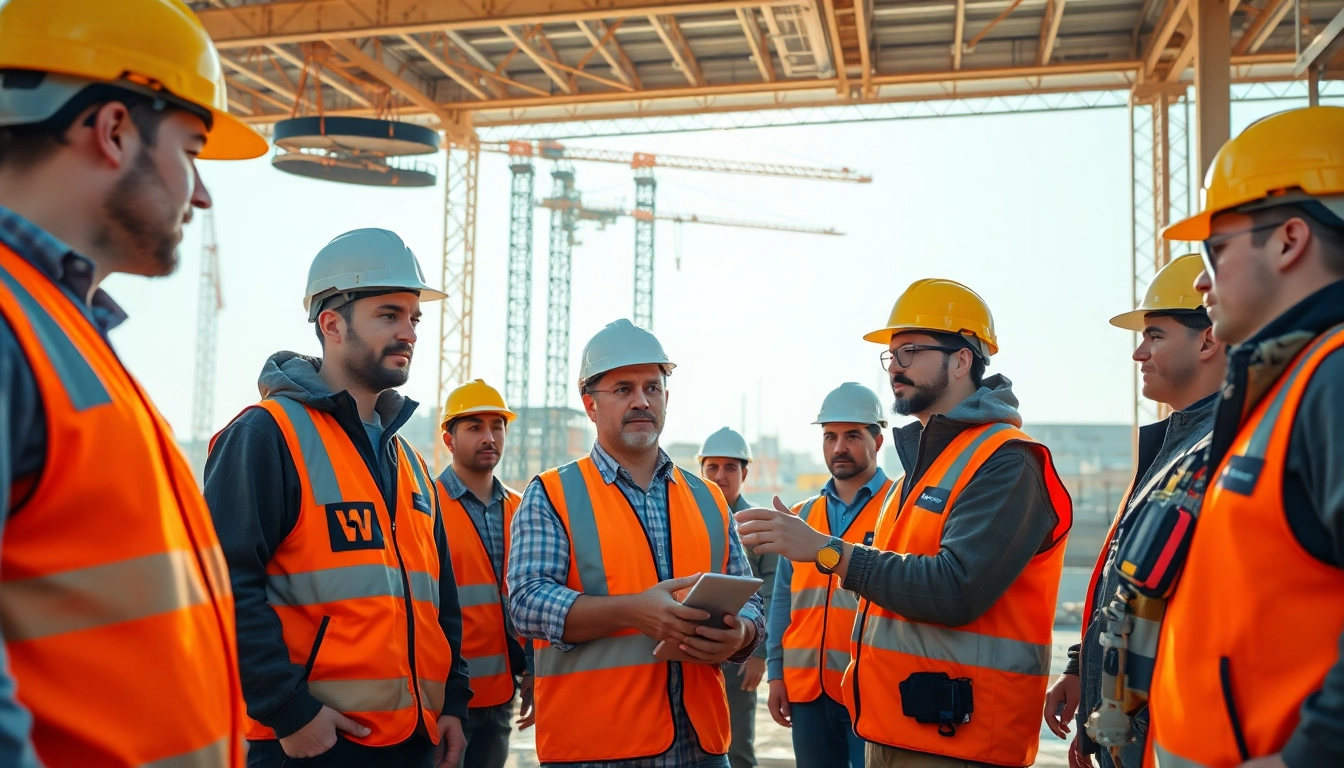
Introduction to Construction Site Safety Training
In the construction industry, safety is of paramount importance. Every year, numerous incidents occur on construction sites around the world, highlighting the critical need for robust safety training programs. This article delves into various aspects of construction site safety training, exploring its significance, core components, implementation strategies, and methods for measuring success. By emphasizing safety training, organizations can not only protect their workforce but also enhance productivity and ensure compliance with regulatory standards.
Importance of Safety Training in Construction
Safety training in construction is essential for several reasons. First and foremost, it helps reduce the risk of accidents and injuries. According to statistics, a significant number of workplace fatalities occur in the construction sector, often due to a lack of safety awareness or inadequate training. By investing in construction site safety training, companies can cultivate a culture of safety, empowering workers to recognize hazards and respond effectively.
Moreover, effective safety training fosters accountability among workers. When employees are well-trained, they understand that their actions can significantly impact their safety and that of their colleagues. Additionally, organizations that prioritize safety training often see reduced insurance costs and improved team morale. Workers are more likely to feel valued and secure in an environment where their safety is a priority.
Regulatory Standards for Safety Training
Compliance with safety regulations is not just a legal obligation; it’s also a moral one. Government bodies, such as OSHA in the United States, set forth regulatory standards that dictate safety practices on construction sites. These standards require that employers provide comprehensive safety training that encompasses recognizing hazards, using protective equipment, and understanding emergency procedures.
Failure to adhere to these regulations can lead to severe penalties, including fines and work stoppages. Furthermore, companies may face greater liability for accidents that occur due to inadequate training. Hence, understanding and implementing these regulatory requirements is crucial for maintaining workplace safety.
Goals of Effective Safety Training Programs
The primary goal of safety training programs in construction is to minimize risks and prevent accidents. However, effective programs should also aim to achieve several other objectives:
- Enhance awareness: Employees should be able to identify potential hazards in their work environment.
- Cultivate a safety culture: Training should foster a mindset where safety is prioritized by all team members.
- Improve knowledge of procedures: Workers must be well-versed in the safety protocols and emergency response methods.
- Ensure compliance with regulations: Safety training must equip employees with the knowledge necessary to meet legal requirements.
Core Components of Construction Site Safety Training
Personal Protective Equipment (PPE) Training
Personal Protective Equipment (PPE) is the last line of defense against workplace hazards. PPE training focuses on educating workers about the types of equipment available, their proper use, and maintenance. Essential PPE items include helmets, gloves, goggles, harnesses, and ear protection, among others. Workers should learn how to select appropriate PPE based on their specific tasks and understand the importance of wearing it consistently.
Additionally, training should cover inspection procedures for PPE to ensure that equipment remains in good condition. Regular assessments of PPE are necessary to maintain functionality and safety. Training programs should also emphasize the consequences of neglecting to wear PPE on the job.
Hazard Recognition and Risk Assessment
Effective construction site safety training should equip workers with the skills to identify potential hazards. This includes understanding environmental risks, equipment-related dangers, and human factors that contribute to unsafe situations. Hazard recognition training is essential in creating a proactive approach to safety.
Risk assessment is another vital component of this training. Employees must be taught how to evaluate risks based on the likelihood and potential severity of incidents. Implementing systems for documenting hazards and mitigating risks can further enhance site safety. Regular hazard assessments should also be incorporated as part of ongoing training.
Emergency Procedures and Response
Emergencies can happen at any construction site, and how the team responds can make a significant difference in outcomes. Training on emergency procedures should cover various scenarios, including fires, electrical failures, falls, and chemical spills. Workers must know emergency exits, evacuation procedures, and contact points for emergency services.
Regular drills and simulations can reinforce this training, ensuring that all employees are well-prepared to respond effectively in crisis situations. Understanding the chain of command and communication protocols during an emergency can also enhance response times and effectiveness.
Implementing Construction Site Safety Training
Creating a Training Schedule and Curriculum
Establishing a comprehensive training schedule is critical in implementing an effective safety training program. Organizations should evaluate specific needs based on the types of projects and the unique hazards present on each site. A well-structured curriculum should include both initial training for new employees and ongoing education for experienced workers.
Consideration should also be given to the frequency of training sessions. Regular refresher courses can help reinforce what employees have learned and ensure that safety protocols are kept current. Additionally, tailoring training to job roles will help ensure that all team members receive relevant instruction.
Utilizing Technology for Training Delivery
Advancements in technology have transformed the landscape of safety training. E-learning platforms, virtual reality (VR), and augmented reality (AR) are now regularly employed in training programs. These technologies provide interactive and immersive learning experiences that can engage employees and enhance retention.
For instance, VR can simulate real-life scenarios in a controlled environment, allowing workers to practice their responses without the risks associated with live training. Furthermore, online courses can facilitate easy access to training materials and flexibility for employees, allowing them to complete modules at their own pace.
Monitoring Training Effectiveness
Training programs should be regularly evaluated to determine their effectiveness. This can involve assessments, quizzes, and hands-on demonstrations that gauge understanding and retention of safety protocols. Feedback from participants can also play a critical role in shaping future training content and methodologies.
Establishing metrics and KPIs—such as incident rates, employee engagement levels, and compliance with safety practices—can provide insights into the overall effectiveness of the training program. Continuous monitoring is essential to ensure that training remains relevant and impactful.
Overcoming Challenges in Safety Training
Addressing Employee Resistance
One of the significant challenges organizations face is employee resistance to safety training. Some workers may perceive training as a time-consuming obligation rather than a necessity. To combat this, employers should communicate the importance of safety training in a transparent and engaging manner.
Involving employees in the development of training programs can also foster a sense of ownership and increase buy-in. Recognizing and rewarding participation can further motivate workers to engage with safety training initiatives actively.
Adapting Training for a Diverse Workforce
Today’s construction workforce is often diverse, encompassing individuals from various cultural backgrounds and skill levels. Adapting safety training to meet these varying needs is crucial. This may involve providing multilingual training materials or incorporating visual aids and hands-on demonstrations that cater to different learning styles.
Employers should assess the unique needs of their workforce and be willing to modify training methods accordingly. This adaptability will promote inclusivity and ensure that all workers receive effective safety training.
Keeping Training Updated with Industry Changes
The construction industry is continually evolving, with new technologies, practices, and regulations emerging regularly. Safety training programs must be dynamic and responsive to these changes. Regularly reviewing and updating training content will ensure that employees are aware of the latest safety standards and practices.
Moreover, establishing a feedback mechanism from field workers can inform trainers about any emerging risks or issues, allowing programs to be adjusted proactively. Collaboration with safety organizations and remaining informed on industry trends can help maintain relevant and effective training.
Measuring Success in Construction Site Safety Training
Key Performance Indicators (KPIs) to Monitor
Measuring the success of construction site safety training requires the identification of key performance indicators (KPIs) that align with training objectives. Metrics such as incident rates, employee feedback scores, and compliance levels can provide valuable insights into the effectiveness of safety training initiatives.
Organizations should set specific, measurable targets for these KPIs and regularly evaluate performance against them. This data not only highlights areas for improvement but also reinforces the importance of ongoing safety training.
Conducting Follow-Up Assessments
Follow-up assessments are essential to gauge the effectiveness of safety training after completion. These assessments can include practical demonstrations, quizzes, and observational assessments on-site. Engaging employees in discussions about their experiences and insights from training can also yield valuable feedback.
By conducting regular follow-up assessments, organizations can make informed decisions about necessary adjustments to training content and methods, ensuring continual improvement.
Continuous Improvement Strategies
The implementation of construction site safety training is not a one-time initiative but rather an ongoing process of refining and enhancing training protocols. Organizations should embrace a mindset of continuous improvement by soliciting feedback, analyzing data, and staying abreast of changes in regulations and best practices.
By fostering a culture of safety, organizations can create an environment where training is not only appreciated but is actively integrated into the everyday practices of the workforce. Continuous improvement strategies pave the way for consistently high safety standards and enhanced employee well-being.
Frequently Asked Questions
What is construction site safety training?
Construction site safety training encompasses education programs designed to inform workers about risks, safety practices, and emergency responses applicable to construction environments.
Why is safety training important in construction?
Safety training is crucial to prevent accidents, injuries, and fatalities. It empowers workers to recognize hazards and promotes a culture of safety on job sites.
How often should safety training be conducted?
Safety training should be continuous, with initial training for new employees and ongoing sessions for all workers to keep up with updates and refresh knowledge.
What are the key components of effective safety training?
Core components include PPE training, hazard recognition, emergency response protocols, and regular assessments to monitor understanding and effectiveness.
How can technology improve safety training?
Technology, such as e-learning and VR, enhances training by providing interactive experiences that improve engagement and retention of safety concepts.