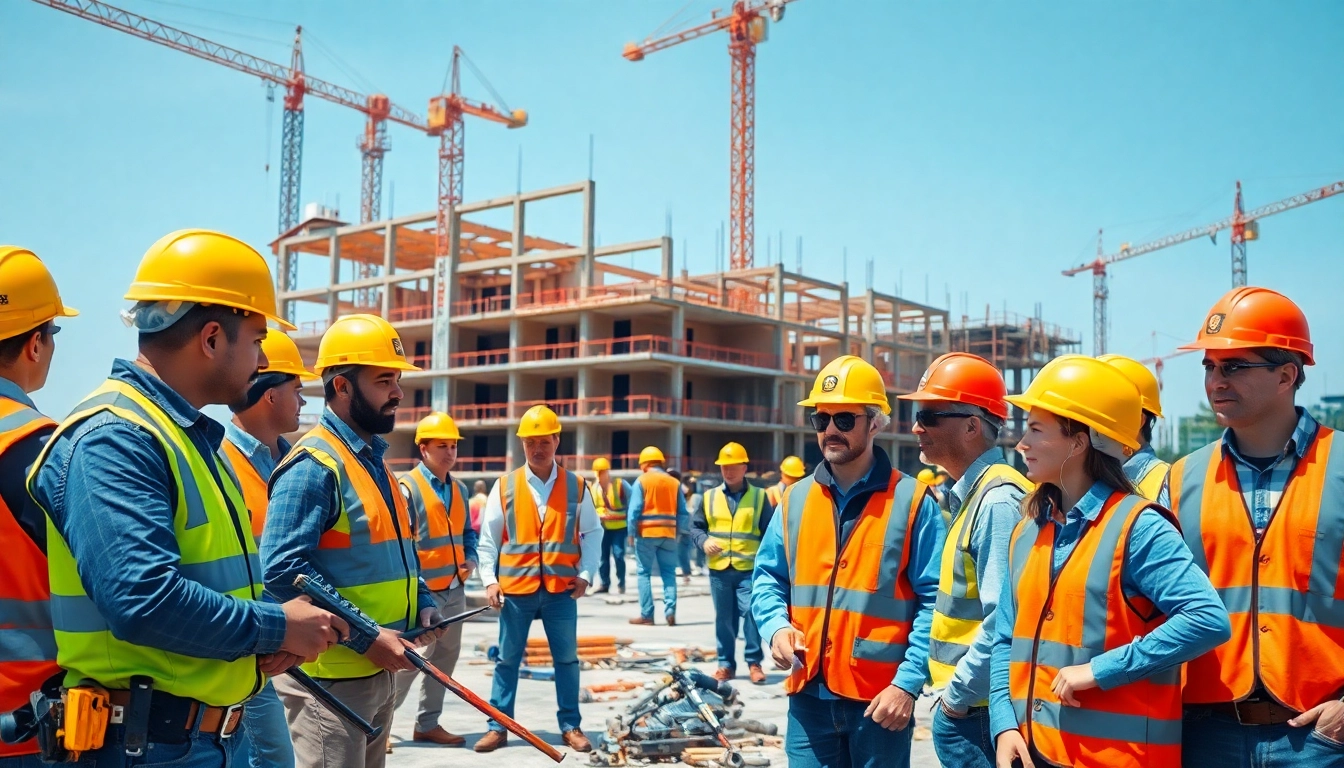

The Importance of Construction Labor Compliance
In the dynamic sector of construction, adhering to stringent labor laws is not merely a regulatory obligation; it is foundational to the success and sustainability of any construction project. Construction labor compliance encompasses a range of regulations designed to protect workers’ rights, ensure fair wages, and maintain safe working conditions. Understanding the intricacies of construction labor compliance is crucial for both employers and employees alike as non-compliance can lead to severe penalties and project delays.
Understanding Compliance Regulations
Compliance regulations in the construction industry are vast and varied, influenced by national, state, and sometimes local laws. These regulations cover wage standards, benefits, labor rights, and health and safety measures. Employers must familiarize themselves with the specific compliance requirements applicable to their operations, including:
- Federal regulations, such as those established by the Occupational Safety and Health Administration (OSHA) and the Fair Labor Standards Act (FLSA).
- State-specific laws that may impose additional requirements or protections beyond federal regulations.
- Collective bargaining agreements (CBAs) if the workforce is unionized, which may introduce unique conditions regarding wages and working conditions.
Impact on Projects and Workers
Compliance significantly impacts the functionality and reputation of construction businesses. Non-compliance can lead to worker disputes, litigation, financial penalties, and a tarnished reputation within the industry. Not only does it affect project timelines, but it also jeopardizes the welfare of workers, leading to unsafe working environments, reduced morale, and high turnover rates. Thus, implementing robust compliance measures is essential for fostering a safe and productive workforce.
Long-term Benefits of Compliance
Investing in compliance efforts yields significant long-term benefits. Organizations that prioritize compliance report smoother project executions, reduced risk of litigation, and improved employee satisfaction. Furthermore, a commitment to compliance enhances the company’s reputation, attracts top talent, and can even lead to better insurance rates, as compliant companies are often perceived as lower risk by insurers.
Key Components of Construction Labor Compliance
Wage Regulations and Guidelines
One of the most critical aspects of construction labor compliance is adhering to wage regulations. These regulations ensure that workers receive fair compensation for their labor. Key considerations include:
- Understanding prevailing wage laws, particularly for publicly funded projects.
- Compliance with minimum wage laws and overtime regulations, which may differ from federal standards in various states.
- Implementing transparent payroll systems that facilitate compliance tracking and reporting.
Health and Safety Standards
Health and safety are paramount in construction, which is often regarded as one of the most hazardous industries. Compliance with health and safety standards prevents accidents and ensures a safe working environment. Essential strategies include:
- Regular training and education of employees regarding workplace hazards and safety protocols.
- Conducting frequent safety audits and inspections to identify and mitigate risks.
- Establishing clear reporting mechanisms for unsafe conditions, facilitating immediate response and remediation.
Recordkeeping and Reporting Obligations
Accurate recordkeeping is a critical component of compliance. Construction businesses must maintain detailed records related to:
- Payroll, including hours worked, wages paid, and overtime calculations.
- Safety training sessions, incidents, and accident reports.
- Documentation of compliance with regulatory inspections and findings.
Proper recordkeeping not only supports compliance but also aids in project documentation and provides a substantial defense in case of audits or disputes.
Developing a Compliance Management Plan
Steps to Create a Compliance Framework
Developing a compliance management plan involves a systematic approach that includes:
- Conducting a thorough assessment of the current compliance status and identifying gaps.
- Selecting a compliance officer or creating a compliance team with defined roles and responsibilities.
- Establishing policies and procedures that reflect compliance requirements and best practices.
- Regularly reviewing and updating the compliance framework to adapt to changing regulations.
Training and Educating Employees
For a compliance management plan to succeed, it is essential to invest in training and education for all employees. This includes:
- Onboarding programs that include comprehensive training on compliance policies.
- Ongoing training sessions to keep employees informed about regulatory changes and compliance expectations.
- Encouraging a workplace culture that prioritizes safety and ethical practices.
Monitoring Compliance Effectively
Effective monitoring is crucial to maintaining compliance. Strategies to ensure ongoing compliance include:
- Implementing compliance management software that tracks regulatory requirements and deadlines.
- Conducting regular internal audits to assess compliance levels and identify areas for improvement.
- Engaging employees in compliance discussions to understand challenges and garner feedback on existing policies.
Common Challenges in Construction Labor Compliance
Identifying Potential Risks
Awareness of potential risks is essential for effective compliance management. Common risks include:
- Misclassification of workers, which may lead to unintentional violations of wage laws.
- Inadequate documentation practices that can result in penalties during audits.
- Failure to keep up with evolving regulations that may impact project scopes or practices.
Overcoming Non-compliance Penalties
Non-compliance can have severe financial repercussions. To address penalties, companies should:
- Immediately review the circumstances surrounding the penalty to ensure accurate understanding.
- Create corrective action plans to address identified compliance failures.
- Consider legal counsel when necessary to navigate complex disputes.
Addressing Employee Concerns
Addressing employee concerns about compliance can significantly enhance workplace morale. Employers should:
- Encourage open discussions about safety and compliance concerns.
- Provide channels for anonymous reporting of non-compliance without fear of retaliation.
- Respond promptly and transparently to concerns raised by employees.
Future Trends in Construction Labor Compliance
Impact of Technology on Compliance
The construction industry is increasingly leveraging technology to facilitate compliance. Key trends include:
- Utilization of compliance management software to automate tracking and reporting.
- Adoption of wearable technologies that monitor worker safety in real-time, integrating compliance with daily operations.
- Implementation of cloud-based data storage for easier access and sharing of compliance-related records.
Regulatory Changes to Watch For
As labor laws evolve, construction companies must remain vigilant regarding regulatory changes, which may include:
- New legislation addressing worker rights, particularly in areas such as gig economy worker protections.
- Enhancements to health and safety standards in response to lessons learned from past incidents.
- Changes in wage laws reflecting shifts in economic conditions.
Adapting to Evolving Industry Standards
The construction industry is continuously evolving, and compliance strategies must adapt accordingly. Essential considerations include:
- Engaging with industry organizations to stay informed about best practices and emerging standards.
- Participating in workshops and training sessions that address evolving industry compliance considerations.
- Networking with peers to share insights and experiences related to compliance challenges and solutions.
Frequently Asked Questions
What is construction labor compliance?
Construction labor compliance refers to adherence to laws and regulations governing labor practices, safety standards, wage laws, and employee rights in the construction industry.
Why is compliance important in construction?
Compliance ensures worker safety, fair wages, and legal protections, which contribute to project success, reduced litigation risks, and elevated business reputations.
How can a company ensure compliance?
A company can ensure compliance by developing clear policies, providing employee training, maintaining accurate records, and conducting regular audits to identify and address potential issues.
What are common issues with compliance?
Common issues include worker misclassification, inadequate documentation, and failure to keep up with changing regulations, which may lead to penalties and project disruptions.
How can technology support compliance efforts?
Technology can streamline compliance management through software that automates tracking, enhances safety monitoring with wearables, and facilitates easier recordkeeping through cloud storage.