
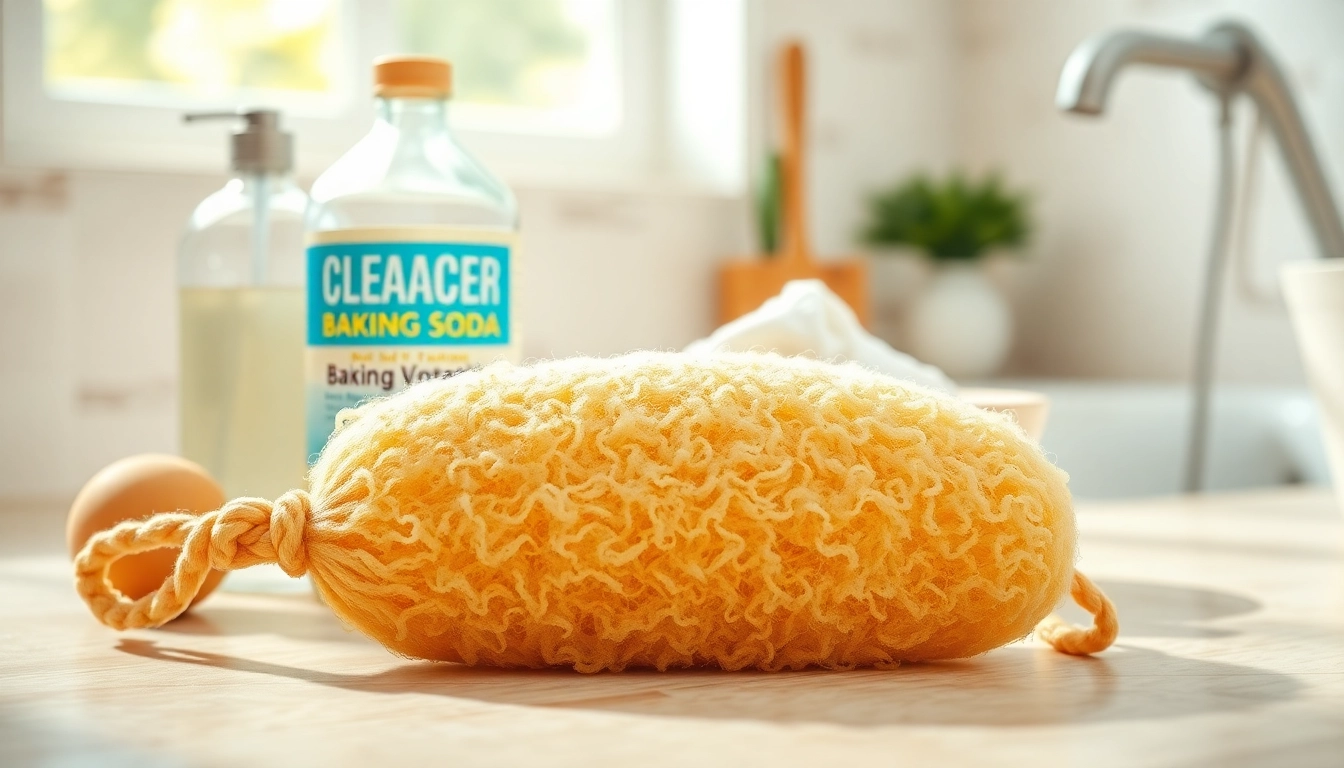
Understanding Loofahs and Their Uses
What is a Loofah?
A loofah, often referred to as luffa or loofa, is a natural exfoliating sponge made from the fibrous skeleton of the loofah gourd. When mature, this gourd is harvested, dried, and stripped of its skin, leaving behind a soft yet abrasive network of fibers. These fibers are perfect for scrubbing away dead skin, making loofahs a popular choice in bath and beauty routines.
Benefits of Using Loofahs
Loofahs offer numerous benefits that can elevate your bathing experience. Their exfoliating properties help remove dead skin cells, promoting smoother and healthier skin. Regular use can also improve blood circulation and help unclog pores, reducing the chances of acne. Additionally, using a loofah can enhance the lathering of your favorite soaps and body washes, allowing for a more luxurious bathing experience. Beyond its physical benefits, a loofah provides an eco-friendly alternative to synthetic sponges, being biodegradable.
How Often Should You Clean a Loofah?
The frequency of cleaning your loofah largely depends on usage. Generally, it is advisable to clean your loofah at least once a week. If you use it daily or share it with others, you might want to clean it more frequently. Regular cleaning helps to prevent the accumulation of bacteria and ensures that your loofah remains hygienic for optimal use. For detailed guidance on how to clean a loofah, keep reading.
Why Cleaning Your Loofah is Essential
Preventing Bacterial Growth
Loofahs, being made of organic materials, create a conducive environment for bacteria and mold if they’re not cleaned regularly. In a damp bathroom environment, loofahs can harbor various microorganisms, some of which could lead to skin irritations and infections. Cleaning your loofah diminishes the likelihood of harmful bacteria thriving on its surface.
Enhancing Longevity of Your Loofah
Regular maintenance not only ensures hygiene but also promotes the longevity of your loofah. An unclean loofah can degrade faster due to the build-up of soap residue and bacteria, causing it to wear out prematurely. By keeping it clean, you can extend its life and enjoy its benefits for longer.
Safety Considerations
For anyone concerned about skin health, cleaning a loofah effectively is paramount. Using a dirty loofah can lead to skin problems, especially for those with sensitive skin or pre-existing skin conditions. Adhering to cleaning routines mitigates these risks and provides peace of mind during your bathing rituals.
Natural Methods to Clean a Loofah
Baking Soda and Vinegar Solution
One effective and natural method for cleaning a loofah involves using a baking soda and vinegar solution. To do this, mix equal parts of baking soda and vinegar in a bowl. Allow the mixture to fizz before immersing the loofah. Let it soak for about 15-20 minutes. After soaking, rinse the loofah thoroughly with warm water. This method not only cleans but also deodorizes the loofah, leaving it fresh and ready for use.
Boiling Method for Disinfection
Boiling is another excellent way to sanitize your loofah. Simply place your loofah in a pot of water and bring it to a boil. Allow it to boil for about 5 minutes. This process effectively kills harmful bacteria and is especially beneficial if your loofah has been heavily used or shows signs of wear. After boiling, let the loofah cool, rinse it, and hang it to dry.
Best Practices for Rinsing and Drying
Rinsing a loofah thoroughly with warm water after each use is essential to eliminate soap and debris. Additionally, after cleaning, always ensure that your loofah is properly dried. Hang it in a well-ventilated space to prevent moisture from accumulating, which can facilitate mold growth. Avoid storing a wet loofah in a closed container or shower caddy.
Tips to Maintain a Clean Loofah
Ideal Storage Conditions
Proper storage of your loofah can make a significant difference in its hygiene and longevity. Store your loofah in a dry area where it has airflow circulation. Avoid damp environments, as they encourage bacterial growth. If possible, use a loofah holder that allows it to air dry after each use, such as a hook or basket with drainage holes.
Alternative Cleaning Agents
Besides baking soda and vinegar, you can use other natural cleaning agents. Tea tree oil, known for its antibacterial properties, can be added to your cleaning solution for added benefits. Alternatively, boiled water with lemon juice can refresh your loofah while imparting a pleasant scent. Experiment with these alternatives to find what works best for you.
Signs of Loofah Wear and Tear
Knowing when to replace your loofah is crucial. Signs of wear include fraying or discoloration of the fibers, an unpleasant smell, and reduced lather production. If you notice any of these indicators, it’s time to replace your loofah. A good rule of thumb is to replace natural loofahs every four to six weeks, depending on usage.
Frequently Asked Questions (FAQs)
How do I know when to replace my loofah?
Signs to look for include fraying fibers, discoloration, a foul smell, and reduced effectiveness in exfoliating. If you notice these, replace the loofah to maintain hygiene.
Can I wash my loofah in the washing machine?
It’s generally not recommended to wash natural loofahs in the machine as they can degrade quickly. Hand cleaning is the best option for maintaining their structure and longevity.
Is it safe to use a loofah every day?
While using a loofah daily is generally safe, it’s important to monitor your skin’s reaction. Over-exfoliation can lead to irritation, so consider using it every other day for sensitive skin.
What should I use if I don’t have vinegar?
If vinegar is unavailable, try using lemon juice mixed with water. This can provide a natural cleaning effect and leave your loofah smelling fresh.
Can I clean a synthetic loofah the same way?
Synthetic loofahs can be cleaned similarly, but avoid boiling as it may damage the material. Instead, use a diluted solution of detergent and water for cleaning.