Understanding Hallway Lighting Needs
Hallways are often overlooked when it comes to lighting, yet they play a crucial role in the overall ambiance and functionality of a home. The right light fixtures for hallway can dramatically enhance the space, ensuring safety and setting the mood as you transition from one room to another. Understanding your hallway’s lighting needs is essential to create a welcoming atmosphere.
Why Light Fixtures for Hallway Matter
Proper lighting in hallways improves visibility and serves as an essential safety feature to prevent accidents. Well-chosen light fixtures can make narrow or dark passages feel inviting and spacious. They also offer an opportunity to express personal style, contributing to the overall design aesthetic of your home. Additionally, effective hallway lighting can highlight architectural details or artwork, transforming utilitarian spaces into showcases of creativity and style.
Different Types of Hallway Light Fixtures
When it comes to lighting hallways, several fixture types can be utilized, each offering unique benefits:
1. Wall Sconces: These fixtures are mounted on walls, saving ceiling space while providing upward or downward light. They are perfect for narrow hallways.
2. Flush Mounts: Located close to the ceiling, flush mounts offer bright, diffused lighting ideal for low-ceiling spaces.
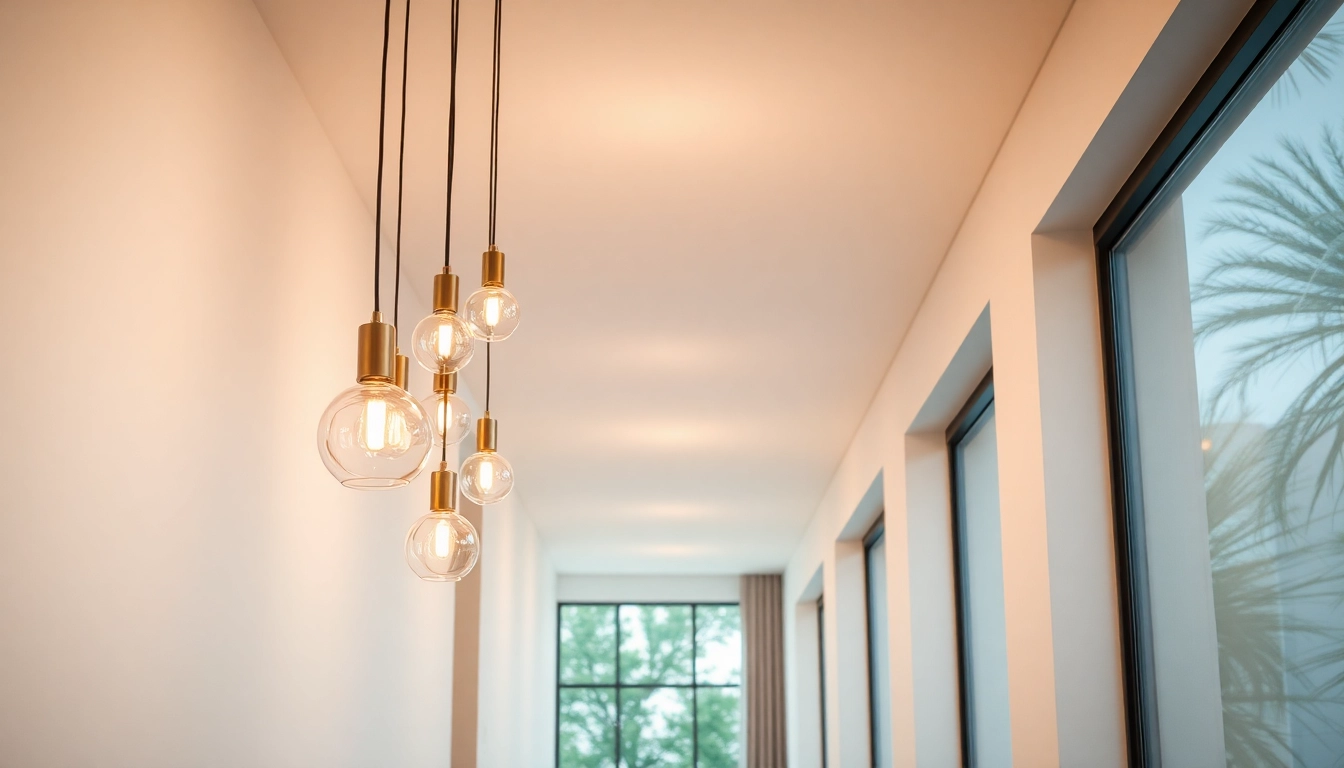
3. Pendant Lights: Hanging from the ceiling, they provide both functional and decorative lighting but require sufficient ceiling height to avoid overcrowding.
4. Track Lighting: This solution is versatile and allows you to direct light where needed. Track lighting is perfect for illuminating artwork or specific areas of the hallway.
5. Recessed Lights: Installed within the ceiling, these fixtures create a minimalist look and can be used to provide general illumination without overwhelming a space.
Each type of fixture can be selected based on the specific needs of your hallway, such as size, height, and design style.
Assessing Your Hallway’s Layout
Before selecting the right light fixtures, it’s crucial to evaluate your hallway’s layout. Consider the following factors:
– Length and Width: Longer hallways may require multiple fixtures spaced evenly to provide sufficient light, while narrower ones can often rely on fewer sources.
– Height: The height of your ceilings will impact the choice of fixtures. Higher ceilings might accommodate larger or suspended fixtures, while lower ceilings may work better with flush mounts or wall sconces.
– Natural Light Sources: If your hallway has windows or doors, consider how natural light enters the space. This may influence fixture type and placement to complement daylight.
– Architectural Features: Any existing architectural elements, such as archways or artwork, should be taken into account to ensure that the lighting enhances these features instead of overwhelming them.
Choosing the Right Style of Light Fixtures for Hallway
Lighting fixtures should complement your home’s overall style while also serving their primary function of illumination.
Contemporary vs. Traditional Designs
When selecting fixtures, consider whether a contemporary or traditional design best reflects your personal style or the style of your home:
– Contemporary Fixtures: These designs often feature sleek lines, innovative materials, and minimalistic designs. They are perfect for modern homes and can include geometric shapes or metallic finishes.
– Traditional Fixtures: These lights offer classic designs and may include intricate details, ornate metals, or glass shades. They work beautifully in homes with more conventional or vintage aesthetics.
Selecting the right style is not merely a question of preference; it should harmonize with the existing decor and architectural details of the space to create a cohesive, well-designed environment.
Color Schemes and Material Choices
– Color Schemes: The color of your light fixtures should complement your hallway’s colors. For darker hallways, brighter fixtures can create a nice contrast, while lighter fixtures can add warmth to bright spaces.
– Material Choices: Materials play a vital role in the overall feel of the hallway. Polished metals, glass, wood, or wrought iron can give different aesthetics that align with the overall design language of your home.
Consider mixing metals and finishes for visual interest, ensuring they do not clash but rather create a unified look that enhances the space.
Combining Fixtures for Visual Interest
Combining different types of fixtures can enhance the visual appeal of a hallway. For instance, pairing wall sconces with flush mounts can create a layered lighting effect. This approach adds depth and interest while ensuring that the space is adequately illuminated.
Using accent lighting to highlight artwork or architectural features can also provide a beautiful focal point. Consider integrating dimmable options or additional layers for adjustable ambiance depending on the mood and time of day.
Installation and Placement Tips
Once you’ve selected the right fixtures, how you install and position them can profoundly influence their effectiveness.
Height and Positioning Guidelines
For optimal illumination, hallways should have light fixtures set 7-8 feet above the floor. Here are some tips:
– Wall Sconces: These should generally be positioned around 60 to 66 inches from the floor to allow for easy access without obstructing walking space.
– Ceiling Fixtures: For flush mounts, ensure they are high enough to allow free movement but low enough to provide adequate light without creating shadows.
Spacing is also key; fixtures should be placed approximately 8-10 feet apart to ensure even light distribution across larger hallways.
Wiring and Safety Considerations
Safety is paramount when installing any electrical fixtures. It’s advisable to consult with a professional electrician, especially in these areas:
– Existing Electrical Circuits: Ensure your current wiring can support the new fixtures, especially if you opt for high-wattage bulbs.
– Proper Installation: Follow manufacturer instructions when installing fixtures to avoid electrical hazards.
– Local Codes: Always comply with local electrical codes to ensure safety and legality.
Using Accent Lighting Effectively
In addition to general lighting, consider how accent lighting can enhance the spaces. This type of lighting can highlight architectural details or artwork, creating focal points that draw the eye. Here are some tips for effective accent lighting:
– Positioning: Place accent lights at angles where they can create dynamic shadows and highlights.
– Layering: Incorporate a mix of ambient, task, and accent lighting for a well-rounded approach that provides functionality and aesthetics.
– Dimming Options: Consider using dimmer switches to control the intensity of accent lighting, allowing for adjustments depending on the time of day or purpose of the hallway.
Maintenance for Your Hallway Lighting
Proper maintenance will extend the life of your fixtures and keep your hallway looking its best.
Cleaning and Care Instructions
– Regular Dusting: Light fixtures often collect dust and grime, so regular dusting with a soft cloth will keep them looking fresh.
– Deep Cleaning: For glass fixtures, use a glass cleaner periodically to maintain shine. Take care with delicate materials to avoid scratches.
– Bulb Replacement: Monitor bulb performance and replace them promptly to ensure continued effectiveness.
Updating Bulbs for Efficiency
Transitioning to energy-efficient bulbs is not only eco-friendly but also cost-effective.
– LED Options: Using LED bulbs in your fixtures enhances energy savings and reduces the frequency of replacements compared to incandescent bulbs.
– Color Temperature: Choose the right color temperature (measured in Kelvins) to set the desired mood; warmer tones create a cozy atmosphere while cooler tones can provide more vibrant illumination.
When to Replace Fixtures
Over time, even the best fixtures may need replacement due to wear and tear or changing design preferences. A few signs that it may be time to consider new fixtures include:
– Outdated Style: If the fixtures no longer match your home’s aesthetic, an upgrade can refresh the space.
– Diminished Performance: If fixtures flicker, buzz, or struggle to illuminate, it may be time for a replacement.
– Damage or Wear: Cracks, corrosion, and damage not only hamper lighting but can pose safety risks, warranting replacement.
Frequently Asked Questions About Light Fixtures for Hallway
What is the best height for hallway light fixtures?
For most hallways, light fixtures should be positioned 7-8 feet above the floor for optimal illumination without obstruction.
How many fixtures do I need for my hallway?
It generally depends on the length of your hallway; average spacing is 8-10 feet apart for evenly distributed lighting.
Can I mix different styles of light fixtures?
Yes, mixing styles can create a unique ambiance, but maintain some consistency in color or material to ensure cohesion.
Are energy-efficient bulbs worth the investment?
Absolutely! Energy-efficient bulbs lower your electricity bill and have a longer lifespan, making them cost-effective over time.
What bulb type is best for hallway fixtures?
LED bulbs are recommended for their durability, energy efficiency, and variety of color temperatures available.