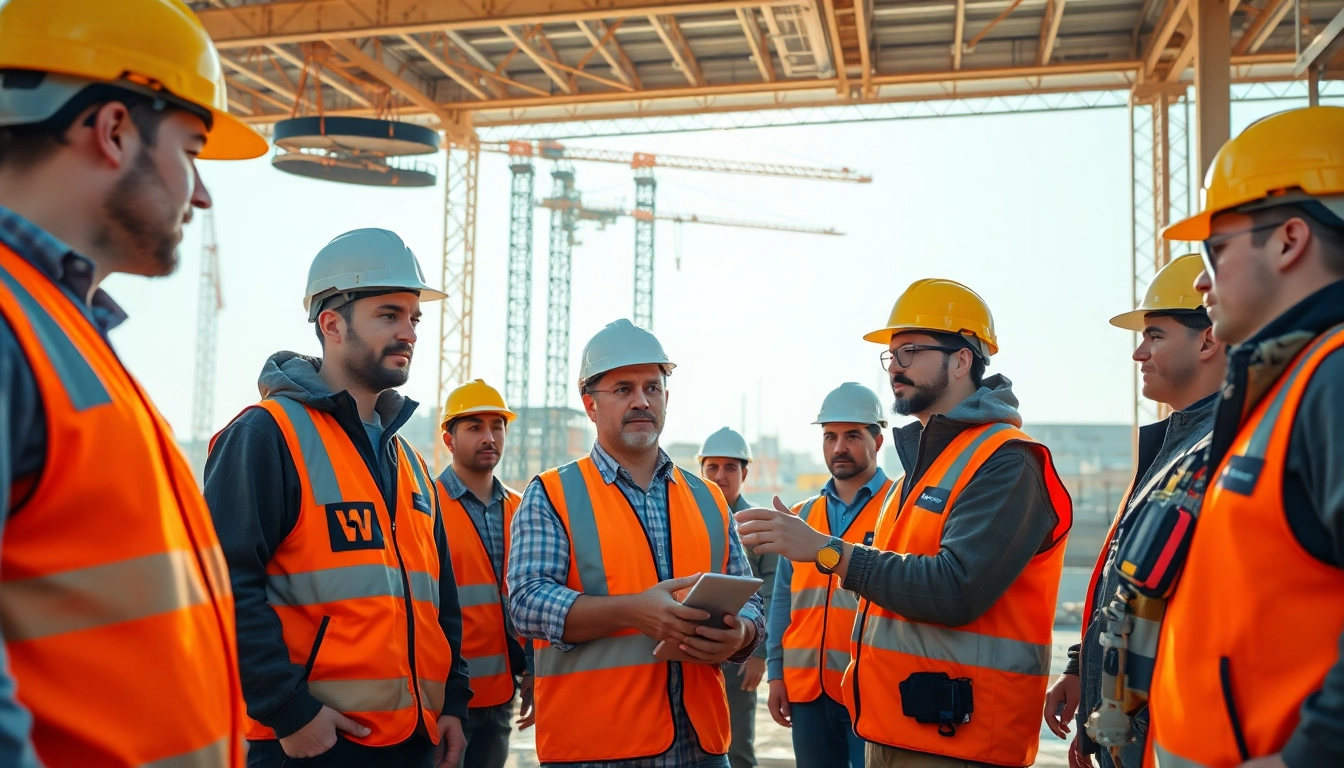

Understanding Construction Safety Training
In the construction industry, safety training is not merely a regulatory requirement; it encompasses the very essence of an organization’s operational integrity and employee welfare. The dynamic nature of construction sites, with their myriad potential hazards—from heavy machinery to precarious heights—necessitates a comprehensive approach to safety training. Engaging in effective construction safety training is paramount in mitigating these risks and fostering a culture of safety among workers and management alike.
Importance of Construction Safety Training
The importance of construction safety training cannot be overstated. First and foremost, it plays a critical role in protecting the health and safety of workers. According to various studies, workplaces with robust safety training protocols see a significant reduction in accident rates, resulting in fewer injuries and fatalities. This directly translates to lower insurance premiums, reduced liability, and improved employee morale.
Moreover, safety training enhances organizational efficiency. When employees are educated about safety protocols and the potential risks encountered on-site, it leads to smoother operations, minimal disruptions, and optimized productivity. Lastly, compliance with legal and regulatory standards is crucial; failing to adhere to safety training requirements can result in hefty fines, work stoppages, and damage to an organization’s reputation.
Key Components of Effective Training Programs
Developing an effective training program entails several key components:
- Needs Assessment: Identify the specific hazards associated with various roles within the organization.
- Tailored Content: Customize training to suit the audience, considering their specific roles and the risks inherent in their environments.
- Engaging Delivery Methods: Incorporate diverse training formats, including hands-on activities, simulations, and digital resources.
- Regular Updates: Safety protocols and technologies evolve, necessitating continuous updates to training materials and methodologies.
- Performance Evaluation: Measure the effectiveness of training through assessments and real-world application.
Regulatory Requirements for Training
Compliance with regulatory requirements is a fundamental aspect of construction safety training. Various institutions, such as OSHA (Occupational Safety and Health Administration), outline mandatory training guidelines to ensure workers are adequately prepared to face occupational hazards. This training encompasses topics such as personal protective equipment (PPE), hazard recognition, fall protection, and emergency procedures. Understanding these regulations not only promotes safety but also shields organizations from legal ramifications that may arise from non-compliance.
Tips for Successful Implementation of Construction Safety Training
Building a Safety Culture
Creating a safety culture within an organization is integral to the success of safety training initiatives. A strong safety culture encourages all employees to prioritize safety and actively engage in safety practices. Here are some steps to foster a safety-centric environment:
- Lead by Example: Management should consistently demonstrate commitment to safety protocols.
- Praise Safe Practices: Acknowledge and reward safe behavior to motivate employees.
- Open Communication: Establish channels for discussing safety concerns without fear of repercussions.
- Involve Employees: Engage workers in safety planning and regular training sessions for better buy-in.
Developing Training Materials
Training materials should be informative, accessible, and relevant. When developing materials, consider the following:
- Clarity: Use simple, clear language that can be understood by all employees.
- Visual Aids: Incorporate diagrams, videos, and infographics to enhance understanding.
- Real-world Scenarios: Include case studies and real-life examples that resonate with the employees’ experiences.
- Diverse Formats: Provide materials in various formats to cater to different learning preferences.
Employee Engagement Strategies
Engaging employees in safety training is crucial for retention and practical implementation. Techniques to enhance engagement include:
- Interactive Workshops: Facilitate hands-on activities and group discussions to foster participation.
- Feedback Mechanisms: Encourage input from employees regarding training relevance and effectiveness.
- Continuous Learning Opportunities: Promote ongoing education in safety practices through refresher courses and certifications.
Common Challenges in Construction Safety Training
Overcoming Participant Resistance
Resistance to training can stem from various sources: skepticism about its importance, a belief that injuries won’t happen to them, or simply the inconvenience of taking time away from work. To overcome this, it’s essential to communicate the direct benefits of training to both employees and the organization. Utilize personal stories, statistics, and the consequences of neglecting safety measures to emphasize the importance of participation.
Adapting to Diverse Learning Styles
Construction teams often comprise individuals from diverse backgrounds with varying educational levels and learning styles. To accommodate these differences, training should be multi-faceted. Use a blend of visual, auditory, and kinesthetic teaching methods to ensure that all participants can grasp the material effectively. Additionally, offering the option to learn at their own pace can enhance understanding and retention.
Ensuring Compliance with Regulations
Meeting compliance demands can be challenging, especially as regulations change. Organizations must stay informed about pertinent laws and ensure that training programs reflect these updates. Engaging a compliance expert to periodically review training programs can help maintain adherence and proactively address potential issues.
Measuring the Impact of Construction Safety Training
Key Performance Indicators to Monitor
To assess the effectiveness of safety training programs, it is essential to establish KPIs that provide measurable insights. Common KPIs include:
- Incident Rate: Track frequency and severity of accidents before and after training.
- Training Completion Rate: Monitor how many employees complete the training and their performance in assessments.
- Safety Audit Results: Evaluate safety inspection results and compliance with safety protocols post-training.
- Employee Surveys: Gather feedback on employee perception of safety practices and training effectiveness.
Feedback Mechanisms for Continuous Improvement
Incorporating feedback mechanisms fosters an environment of continuous improvement. Utilize surveys, suggestion boxes, and one-on-one interviews to solicit constructive feedback. This approach not only helps gauge the program’s success but also involves employees in the enhancement process, making them feel valued and invested in safety culture.
Case Studies on Training Effectiveness
Implementing real-world case studies can demonstrate the effectiveness of training programs. For example, a construction firm that saw a 30% reduction in workplace injuries after introducing a comprehensive safety training program serves as a powerful testament to the importance of such initiatives. Presenting these cases to employees reinforces the message that safety training is not merely an obligation but an essential aspect of their day-to-day work environment.
Future Trends in Construction Safety Training
Technological Innovations in Training
The construction industry is evolving rapidly, with technological innovations playing a pivotal role in safety training. Virtual reality (VR) and augmented reality (AR) are increasingly being used to simulate hazardous environments, offering employees firsthand experience in a controlled setting. Additionally, mobile applications that provide on-the-go access to safety protocols and training modules ensure that employees are continuously engaged and updated.
Emphasis on Mental Health and Wellness
As awareness of mental health in the workplace rises, construction safety training is beginning to incorporate mental health strategies. This includes training sessions focused on stress management, conflict resolution, and recognizing the signs of mental distress. By addressing mental wellness, organizations can create a more supportive environment that enhances overall safety.
Integrated Approaches to Safety Education
The future of construction safety training will likely see a more integrated approach, combining safety education with overall employee training and development. This holistic perspective aligns safety training with personal and professional growth, reinforcing its importance at every level of the organization.
Frequently Asked Questions
What is construction safety training?
Construction safety training is education designed to inform and prepare workers about potential hazards on construction sites and how to mitigate them effectively, ensuring a safer work environment.
Why is construction safety training essential?
It is crucial for protecting workers, reducing accidents, complying with regulations, and ultimately fostering a culture of safety, which enhances overall productivity.
What topics should be covered in safety training?
Key topics include personal protective equipment (PPE), hazard recognition, fall protection, emergency response, and regulatory compliance standards.
How often should safety training be conducted?
Training should be conducted regularly and whenever new equipment, procedures, or relevant regulations change to ensure that all employees are updated and knowledgeable.
What are some effective methods for delivering safety training?
Effective delivery methods include hands-on training, interactive workshops, e-learning modules, and using technologies like VR to simulate real-world scenarios.