
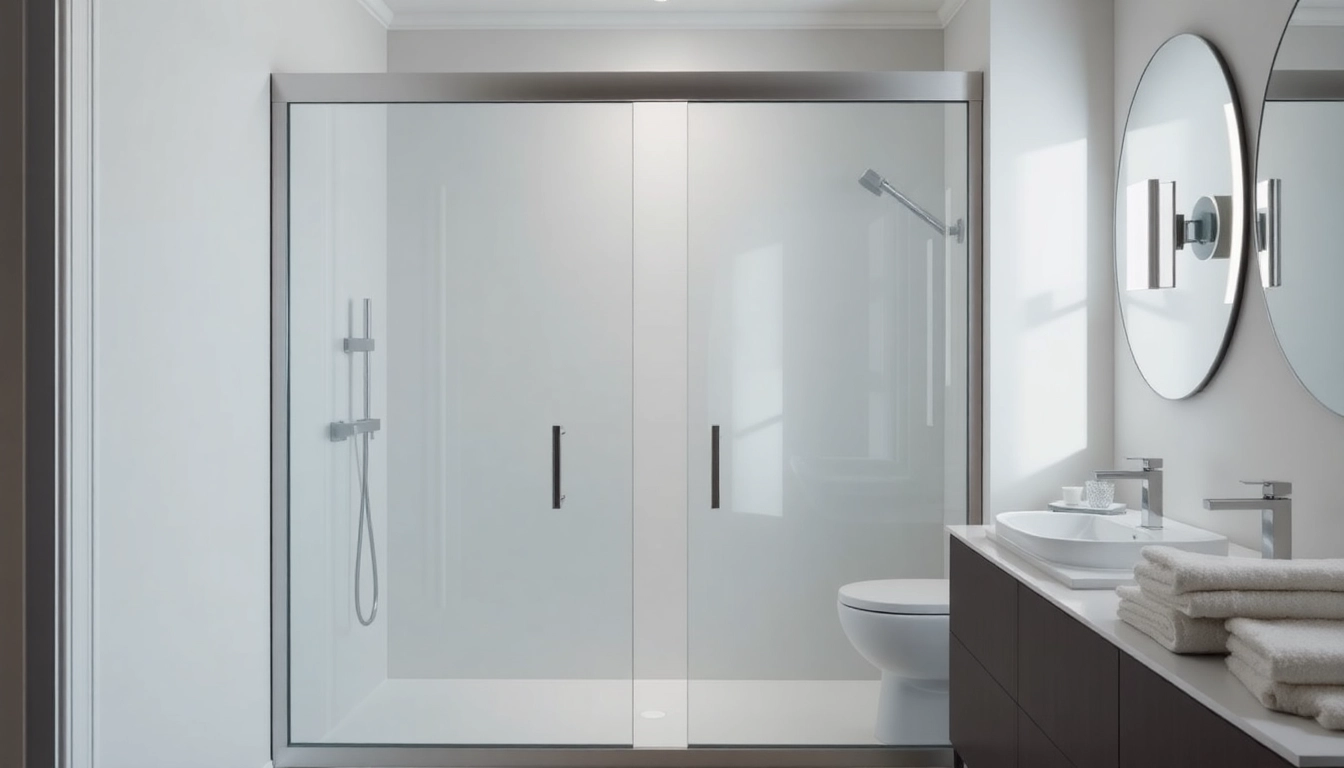
Understanding Sliding Shower Doors
What Are Sliding Shower Doors?
Sliding shower doors are designed to provide a seamless entry into your shower space while maximizing the utility of your bathroom. Unlike traditional hinged doors, which swing outward, sliding doors operate on a track system, allowing them to slide open and closed. This design not only saves space but enhances the aesthetic appeal of any bathroom. Often made of glass, these doors can also incorporate various framing styles, from modern minimalist to ornate traditional designs.
Benefits of Sliding Shower Doors
Choosing sliding shower doors offers numerous advantages. First and foremost, they are ideal for bathrooms with limited space—since they slide rather than swing, they require less room to operate. Additionally, these doors provide an elegant and contemporary appearance, creating a more open and airy feel in your bathroom. They also help to keep water inside the shower area, reducing the risk of slips and falls outside the shower. Lastly, sliding shower doors come in various styles, materials, and finishes, allowing homeowners to customize their bathrooms according to their preferences.
Types of Sliding Shower Doors
Sliding shower doors come in several types, each tailored for specific needs and styles:
- Frameless Sliding Doors: These provide a sleek and modern look with minimal metalwork, emphasizing the glass itself.
- Framed Sliding Doors: These are more traditional and offer a robust structure, often in various colors and finishes that can complement bathroom decor.
- Bypass Doors: Ideal for shared spaces, these allow two panels to slide over each other, maximizing entrance space.
- Stylized Glass Doors: Featuring etched, patterned, or frosted glass, these doors add artistic flair while ensuring privacy.
Choosing the Right Sliding Shower Doors
Materials and Finishes
When selecting sliding shower doors, the material is one of the most critical factors. Common materials include:
- Tempered Glass: A safety feature where glass is heated and cooled quickly to increase strength. It’s less prone to shattering.
- Acrylic or Polycarbonate: These materials are lighter and more affordable but may scratch more easily than glass.
- Vinyl or Metal Frames: Choose frames that resist corrosion, especially in humid environments.
The finish also matters; options range from chrome and brushed nickel to oil-rubbed bronze. Matching the finish with your existing fixtures creates cohesion in your bathroom.
Size Considerations
The size of your sliding shower doors must correspond with your shower enclosure. Consider measurements such as:
- Width: Standard widths vary, so ensure your selected doors fit without gaps.
- Height: Most doors come in standard heights, but custom sizes are an option for unique shower designs.
- Space for Operation: Ensure that there is sufficient clearance outside the shower for the doors to slide without obstruction.
Measuring accurately will not only aid in choosing the right size but also provide better functionality and aesthetics.
Style Options
Sliding shower doors are available in diverse styles, enabling homeowners to align them with their bathroom décor:
- Modern Minimalism: Frameless doors bring a sleek, uncluttered look.
- Transitional Styles: Framed designs with subtle detailing work well in various settings.
- Classic Vintage: Ornately styled doors can add a timeless touch to traditional bathrooms.
Consider not just personal style but how the chosen style integrates with other bathroom elements, such as tiles, sink fixtures, and lighting.
Installation Process for Sliding Shower Doors
Tools Needed for Installation
Installing sliding shower doors may seem challenging, but with the right tools, it can be manageable. Below is a list of essential tools you’ll need:
- Measuring tape
- Drill with appropriate drill bits
- Level
- Screwdriver (both Phillips and flathead)
- Silicone sealant and caulk gun
- Safety goggles and gloves
Step-by-Step Installation Guide
Follow these steps to install your sliding shower doors effectively:
- Preparation: Clean the area around the shower and ensure that all measurements are accurate.
- Install the Top Track: Using a level, mark the location for the top track, then drill pilot holes for screws.
- Install the Bottom Track: Place the bottom track in the designated area and attach it using screws.
- Attach the Door Panels: Hang the door panels on the top track, ensuring they glide smoothly.
- Seal Edges: Apply silicone sealant around the edges to prevent water leakage.
- Test Functionality: Open and close the doors several times to ensure they operate correctly.
Common Mistakes to Avoid
Here are common pitfalls to avoid during installation:
- Not measuring accurately, leading to ill-fitting doors.
- Failing to secure the track properly, potentially causing doors to derail.
- Overlooking the importance of a level installation, affecting door movement.
- Neglecting to seal edges adequately, risking water damage.
Maintenance Tips for Sliding Shower Doors
Cleaning Techniques
Maintaining sliding shower doors is essential for longevity and hygiene. Here are effective cleaning techniques:
- Daily Wiping: Use a squeegee or microfiber cloth to wipe down the glass after each use.
- Weekly Deep Clean: Clean the glass with a mixture of vinegar and water to combat soap scum.
- Hardware Care: Inspect and clean tracks regularly, ensuring they are free from debris.
Preventing Mildew and Mold
Mildew and mold thrive in damp environments. To counter this, consider these strategies:
- Ensure proper ventilation by keeping the bathroom window open or using exhaust fans.
- Use anti-mold sprays on surfaces and sealants regularly.
- Keep items that are prone to mold away from the shower area.
Addressing Common Issues
Sliding shower doors may face various challenges over time. Here are solutions to common issues:
- Water Leakage: Check seals and replace any damaged silicone to ensure watertight integrity.
- Doors Not Sliding Smoothly: Clean tracks and adjust roller height if necessary to improve movement.
- Glass Shattering: If tempered glass cracks, replace the pane immediately to maintain safety.
FAQs About Sliding Shower Doors
What is the average lifespan of sliding shower doors?
The lifespan can vary widely but is generally around 10 to 20 years, depending on material quality and maintenance.
How do I ensure sliding shower doors are watertight?
Proper installation and regular sealing of edges with silicone can ensure watertight functionality, preventing leaks.
Can sliding shower doors be installed in small bathrooms?
Yes, sliding shower doors are ideal for small bathrooms as they don’t require extra space to swing open.
Are there energy-efficient options for sliding shower doors?
Energy-efficient sliding shower doors often feature double glazing or LED lighting, reducing heat loss and energy use.
How can I improve the safety of sliding shower doors?
Opting for tempered glass and incorporating slip-resistant flooring can significantly enhance safety within the shower area.