
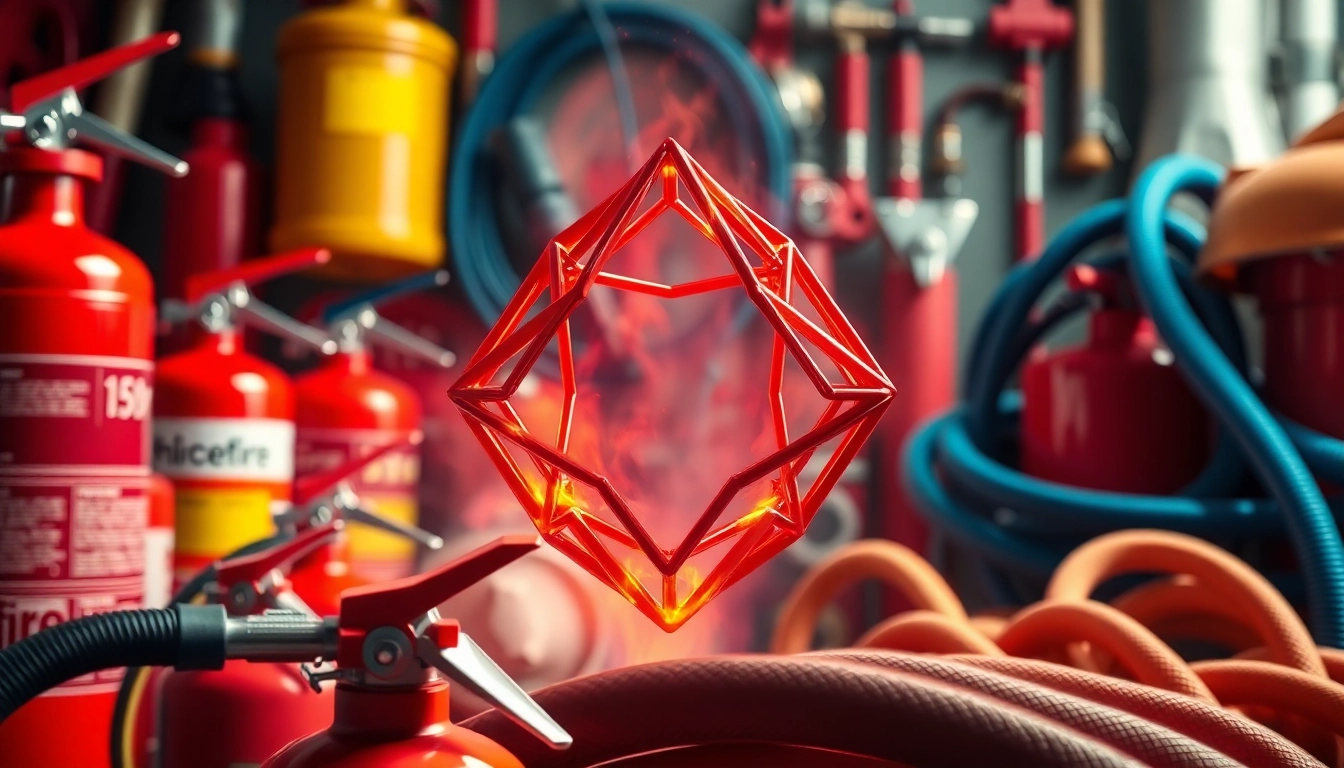
What is the Fire Tetrahedron?
The concept of the fire tetrahedron is fundamental to understanding fire dynamics. It expands upon the traditional fire triangle by introducing a fourth element, thereby providing a more comprehensive understanding of the components necessary for combustion. This four-sided figure includes heat, fuel, air (oxygen), and a chemical reaction, all of which must be present for a fire to ignite and sustain itself.
The Four Elements of Fire
1. Heat: This element refers to the energy needed to raise the material to its ignition temperature. Sources of heat can be varied, such as sparks, flames, or friction.
2. Fuel: Fuel is any combustible material that can sustain a fire. This can include solids like wood, liquids like gasoline, or gases such as natural gas.
3. Air (Oxygen): Oxygen supports combustion. Typically, the air contains about 21% oxygen, which is sufficient for most fires, but reactions can be enhanced in environments with increased oxygen levels.
4. Chemical Reaction: This element encompasses the reactions that occur when heat is applied to fuel in the presence of oxygen, producing light, heat, and combustion products.
Importance in Fire Safety
Understanding the fire tetrahedron is crucial for fire safety management. It allows professionals to manipulate one or more elements to extinguish a fire. For instance, removing heat can be achieved by applying water, thus interrupting the combustion process. Knowing these elements helps in prevention, teaching individuals how to minimize risks and appropriately handle fire emergencies.
Visual Representation of the Fire Tetrahedron
A visual representation of the fire tetrahedron illustrates how the four components interconnect. Typically, this diagram will show each element at one vertex of a tetrahedron, indicating their equal significance in the fire development process. Such visuals aid in educational contexts, enhancing comprehension for both professionals and the general public.
How the Fire Tetrahedron Works
Combustion Process Explained
The combustion process, fundamentally guided by the fire tetrahedron, consists of a series of chemical reactions that occur when the temperature of the fuel is raised sufficiently by an external heat source, allowing it to react with oxygen. As the components interact, volatile gases are released, which ignite, producing flames. The efficiency of this process can vary based on the nature of the fuel, the amount of oxygen available, and the heat applied.
Interaction of the Elements
The interaction among heat, fuel, oxygen, and chemical reaction forms a cycle that sustains fire. If any one of these components is removed or altered, the cycle is disrupted, leading to the extinction of the fire. This understanding is crucial in firefighting strategies where targeted methods are employed to eliminate one of the tetrahedron’s sides, effectively putting out the flame.
Real-World Examples
Consider a kitchen fire where cooking oil ignites. The heat from the stovetop serves as the ignition source, the oil acts as the fuel, and the oxygen is supplied by the air in the kitchen. If water is poured onto the fire, it can remove heat and create steam, but in certain cases—like grease fires—it may exacerbate the situation by dispersing flammable liquid droplets, making the fire much worse. Knowing the fire tetrahedron helps individuals make safe choices, like using a fire blanket or a suitable fire extinguisher instead.
Applications of the Fire Tetrahedron
In Fire Safety Training
The fire tetrahedron serves as a central teaching tool in fire safety training programs. It aids trainees in understanding the fundamental principles of fire prevention, response, and control. By focusing on the tetrahedron’s elements, participants learn how to identify potential fire hazards and utilize appropriate fire suppression techniques in real-world scenarios.
Using it in Risk Assessment
In risk assessment, the fire tetrahedron provides a framework to analyze fire hazards systematically. Professionals can evaluate environments to identify which elements are present and potentially lead to a fire. By assessing where and how to eliminate or mitigate the elements present, organizations can significantly reduce their fire risk and enhance safety protocols.
Guiding Fire Prevention Strategies
Fire prevention strategies often leverage the fire tetrahedron framework to develop effective policies. This includes ensuring that fuels are not stored near ignition sources, controlling heat by maintaining equipment, and ensuring proper ventilation to manage oxygen levels. Furthermore, training employees to recognize and act upon the tetrahedron’s elements will foster a fire-conscious culture in workplaces and homes.
Challenges in Understanding the Fire Tetrahedron
Common Misconceptions
While the fire tetrahedron is a critical component of fire education, several misconceptions abound. One of the most prevalent is that fire can only exist if all four elements are present; however, certain scenarios, such as embers or hot spots, can exhibit flame characteristics even when not all parameters are fulfilled. Another misconception includes the belief that all fires can be extinguished using water, which is not universally true (e.g., electrical or oil fires).
Education and Awareness Gaps
There is a noticeable gap in education regarding the fire tetrahedron, particularly among non-professionals. Many individuals are often unaware of the need to consider all four elements, which can result in ineffective fire prevention and safety measures. Hence, including tetrahedron education in community workshops or school curricula could bridge this knowledge gap.
Addressing Challenges
Addressing these knowledge gaps requires a multifaceted approach, including targeted training programs, community outreach, use of digital platforms for educational purposes, and public service announcements. By increasing awareness and understanding of the fire tetrahedron, communities can be better prepared to prevent and respond to fire incidents effectively.
FAQs about the Fire Tetrahedron
What does each element of the fire tetrahedron represent?
The fire tetrahedron consists of heat, fuel, oxygen, and a chemical reaction, all necessary for combustion to occur.
How can the fire tetrahedron help in firefighting?
It helps firefighters identify which element to eliminate, be it heat, fuel, or oxygen, to effectively extinguish a fire.
Is the fire tetrahedron applicable to all types of fires?
Yes, it applies to all fire types but specific extinguishing methods may differ based on fire characteristics.
What role does oxygen play in the fire tetrahedron?
Oxygen supports combustion; its availability directly influences the intensity and sustainability of a fire.
Can understanding the fire tetrahedron prevent fires?
Yes, by being aware of the elements and how to manage them, one can take proactive steps to prevent fire incidents.